
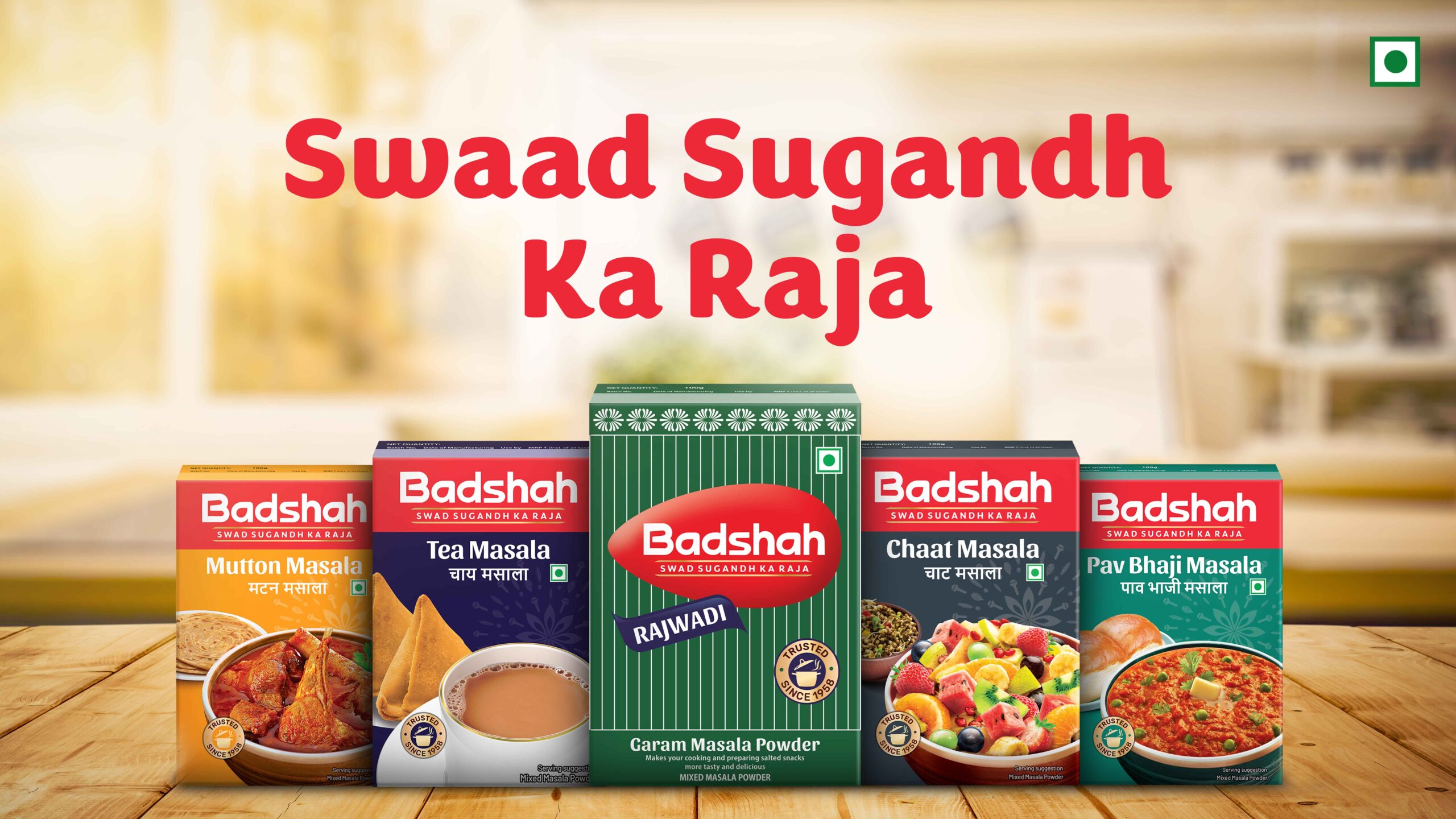

No.1 Spice Brand In India
It all started, when our founder Mr Jawahar used to acquire tin cans and use them to sell spices on his bicycle in the area where he lived. The path which he paved then was not a random one, but one that created history. Little did he know that his initial steps towards selling spices will one day reign supreme in the Indian food industry and give birth to Badshah Masala.


FROM TIN CANS TO
YOUR DINNER TABLE!
A lot has happened over the years in becoming the best Indian Spice Manufacturer. And we are looking forward to more.
FROM TIN CANS TO
YOUR DINNER TABLE!
A lot has happened over the years in becoming the best Indian Spice Manufacturer. And we are looking forward to more.
Eventually, over the decades, the love of Indian housewives for the brand gave us the opportunity to carry this rich heritage forward and we expanded to International markets. Badshah Masala is now a globally recognised symbol for spices which has achieved many prestigious awards such as the ‘Mera Brand Award’ from Mid Day Group for being an iconic brand based out of Gujarat.
Gradually, a few years down the line success knocked Badshah Masala’s door and unique spices like Kitchen King Masala, Mumbai Bhaji Pav Masala, Chana Masala gained momentum in every Indian household. ‘Swad Sugand ka Raja, Badshah Masala’, the jungle that tugged everyone’s heartstrings become our steps towards fame.
[porto_ultimate_heading main_heading=”OUR CATEGORIES” alignment=”{“xl”:”center”}” spacer=”line_only” spacer_position=”bottom” line_height=”2″ line_color=”#e13b3f” main_heading_color=”#ff0000″ main_heading_porto_typography=”{“family”:”Montserrat”,”variant”:”900″,”font_size”:”40px”,”line_height”:””,”letter_spacing”:””,”text_transform”:”none”}” line_width=”50″ el_class=”cf2″][/porto_ultimate_heading]








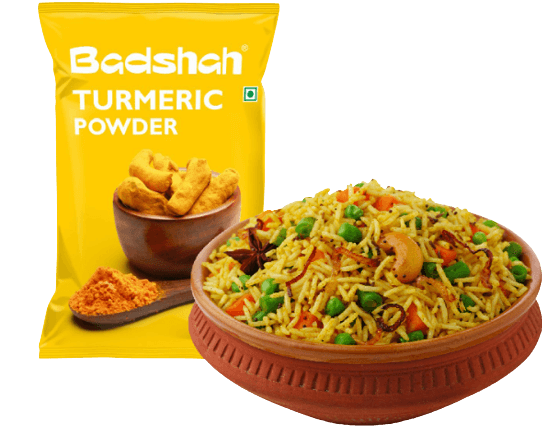
Badshah offers a variety of grounded spices like – Amchur Powder, Turmeric Powder, Lal Badshah, Black Pepper Powder, Coriander Powder, Jeera powder, Kashmiri Chilli Powder, cumin powder, white pepper powder and many more.
Badshah offers a variety of grounded spices like – Amchur Powder, Turmeric Powder, Lal Badshah, Black Pepper Powder, Coriander Powder, Jeera powder, Kashmiri Chilli Powder, cumin powder, white pepper powder and many more.

Badshah’s blended masala is basically the mix of spice blends that are required to make a particular dish. How convenient does life become with the blend spice by Badshah.
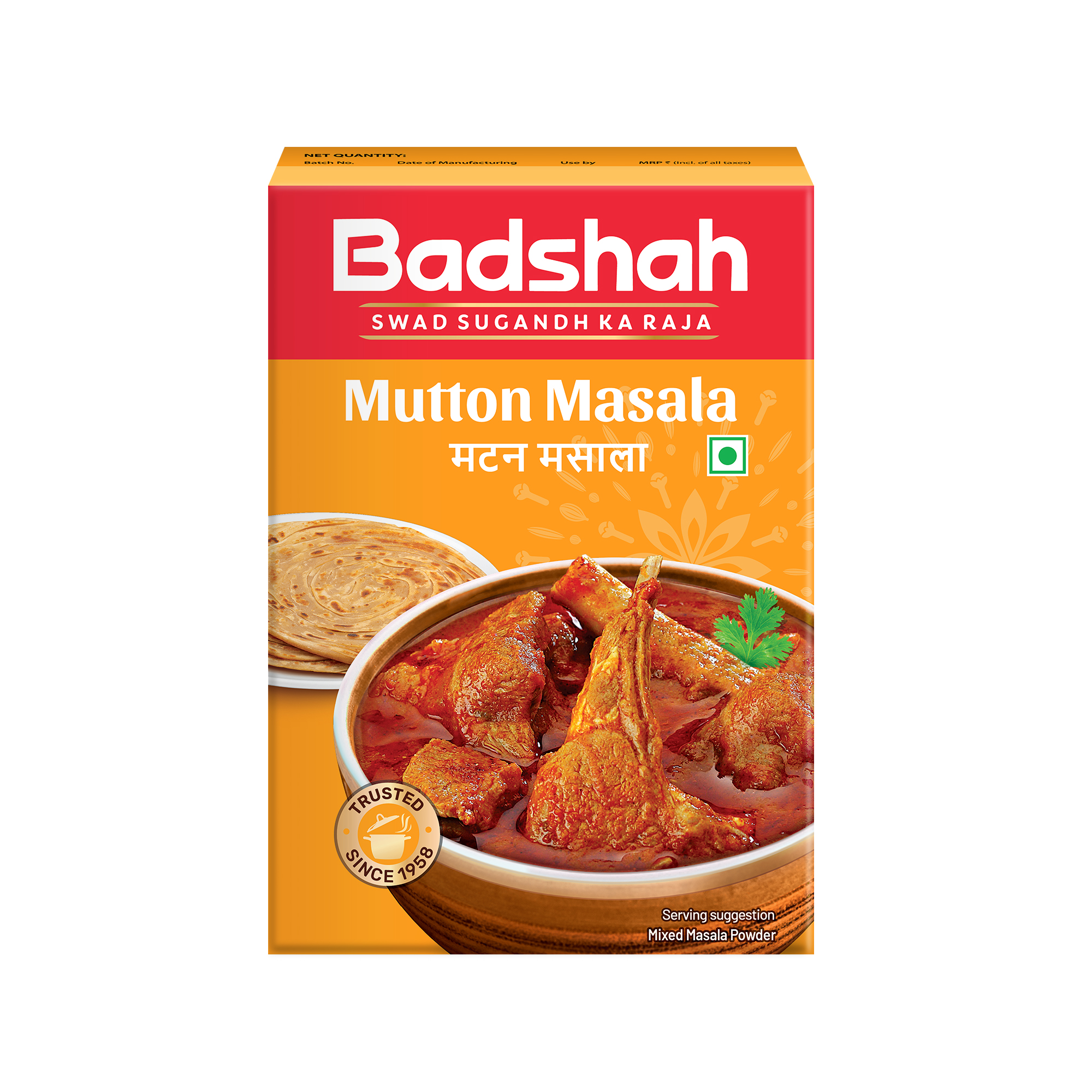
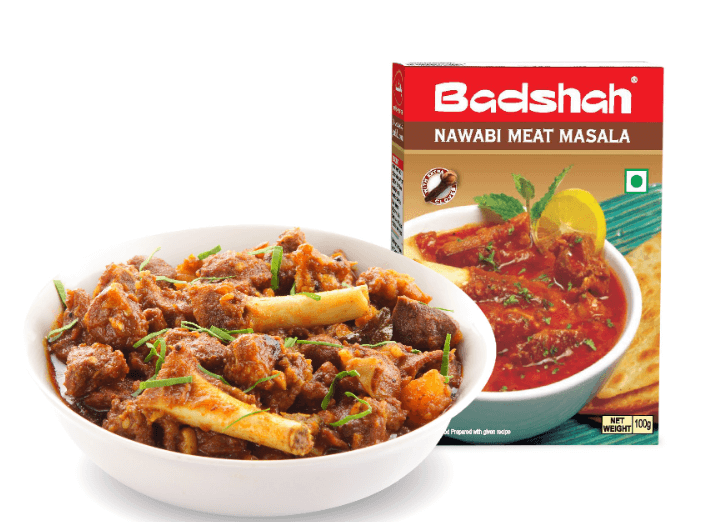
Badshah’s blended masala is basically the mix of spice blends that are required to make a particular dish. How convenient does life become with the blend spice by Badshah.
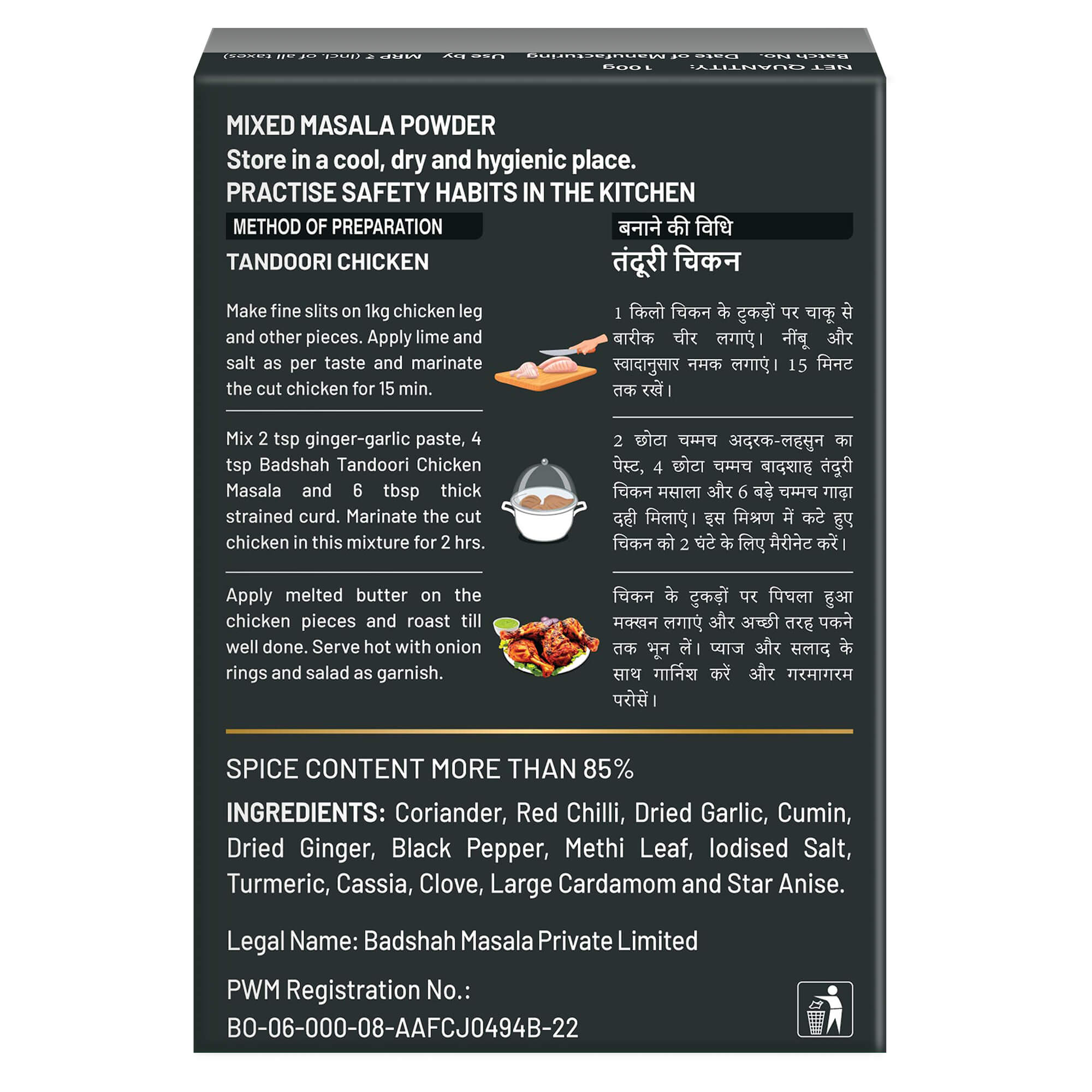
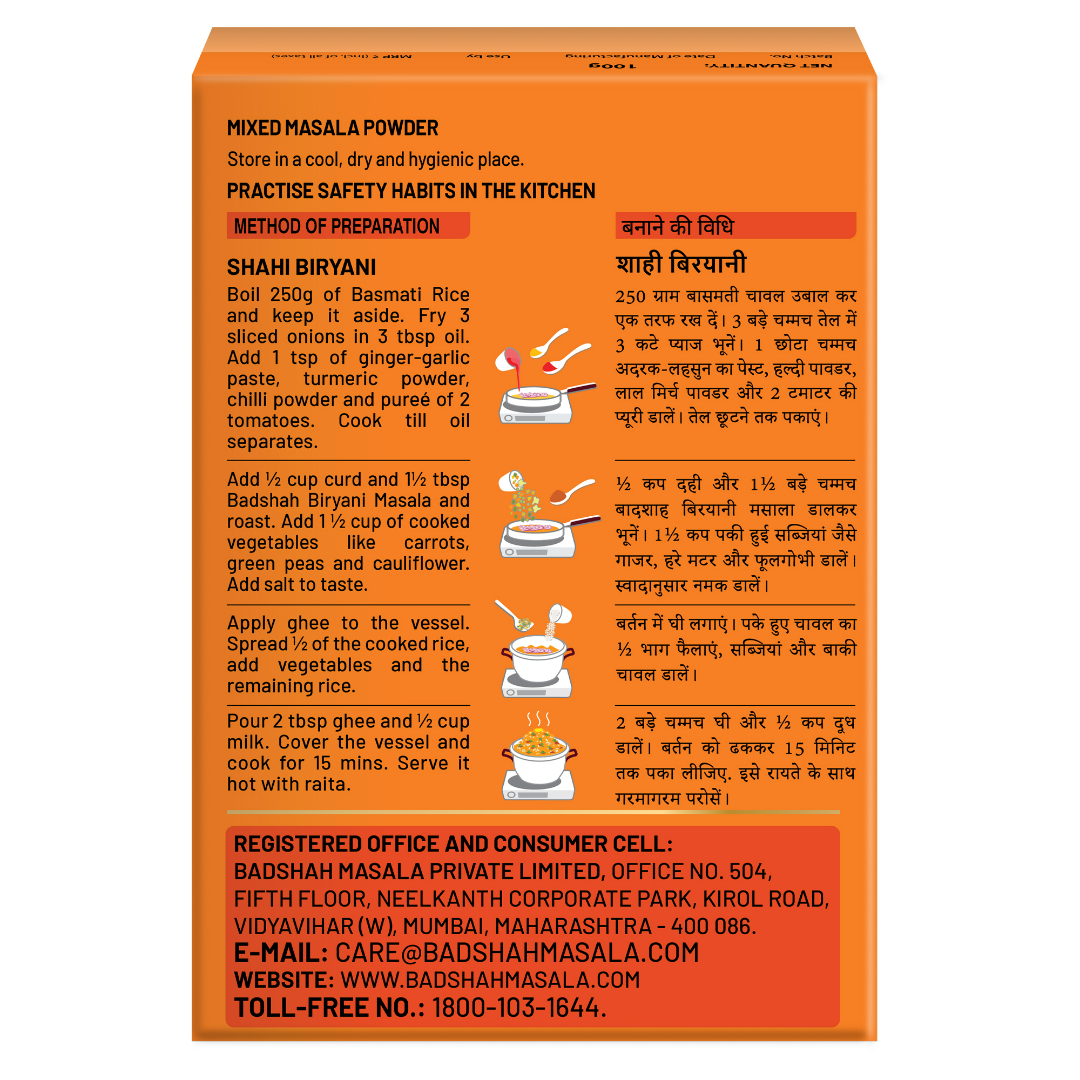
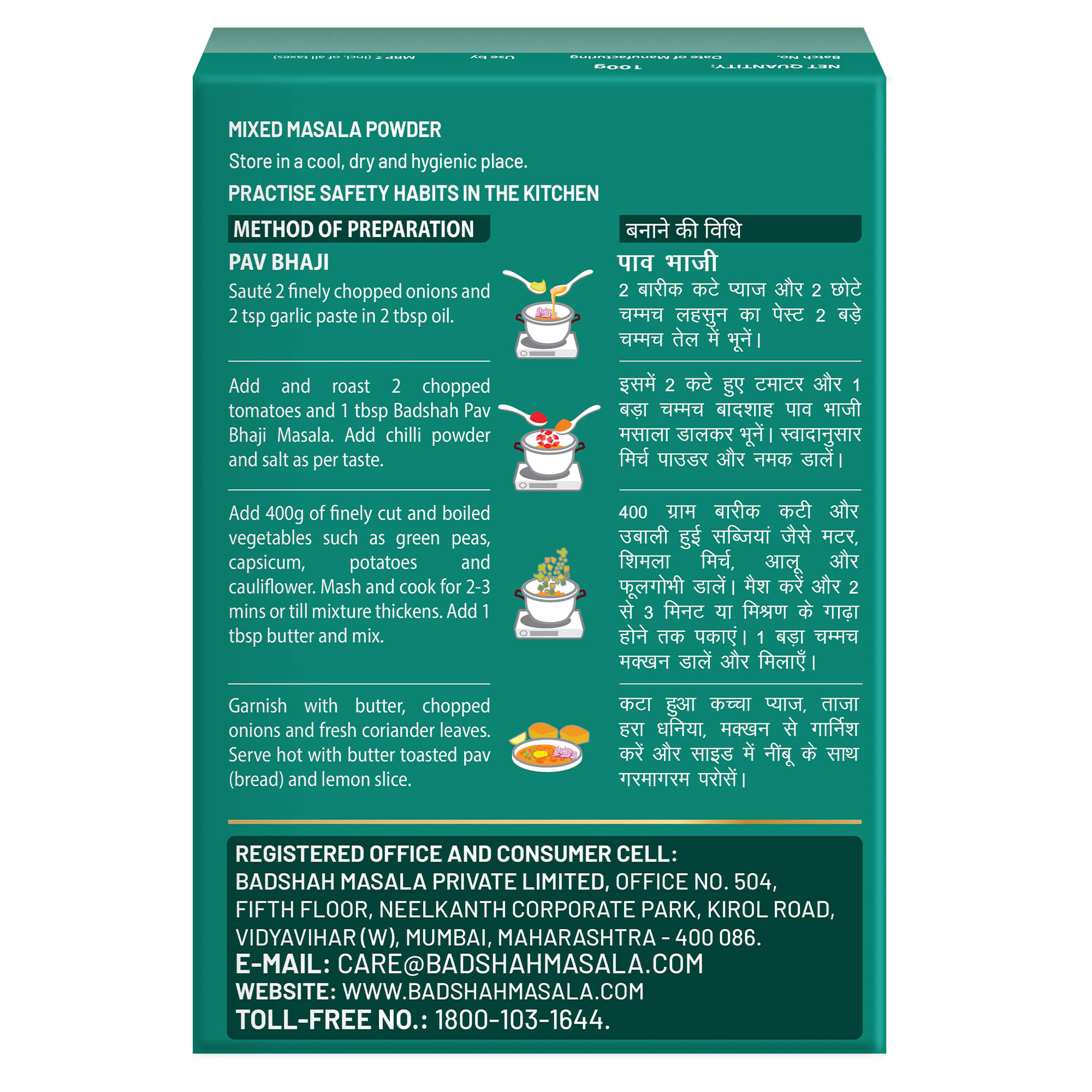
BEST SELLERS
[porto_ultimate_heading main_heading=”PR COVERAGE” heading_tag=”h3″ spacer=”line_only” spacer_position=”bottom” line_height=”2″ line_color=”#dd3333″ main_heading_color=”#dd3333″ line_width=”50″ main_heading_porto_typography=”{“family”:”Default”,”variant”:”900″,”font_size”:”40px”,”line_height”:””,”letter_spacing”:””,”text_transform”:”none”}”][/porto_ultimate_heading]
Delectable spice blends ruling your kitchen since 1958!
Discover the Legacy of Badshah Masala
In this section, you will get to know about the rich heritage of Badshah Masala and how Badshah Masala has been committed to providing great quality. Some of our popular spice blends are:- Pav bhaji masala
- Chana masala
- Chaat masala
- Meat masala
- Garam masala powder
- Kesari milk masala
- Biryani pulav masala
- Paneer butter masala
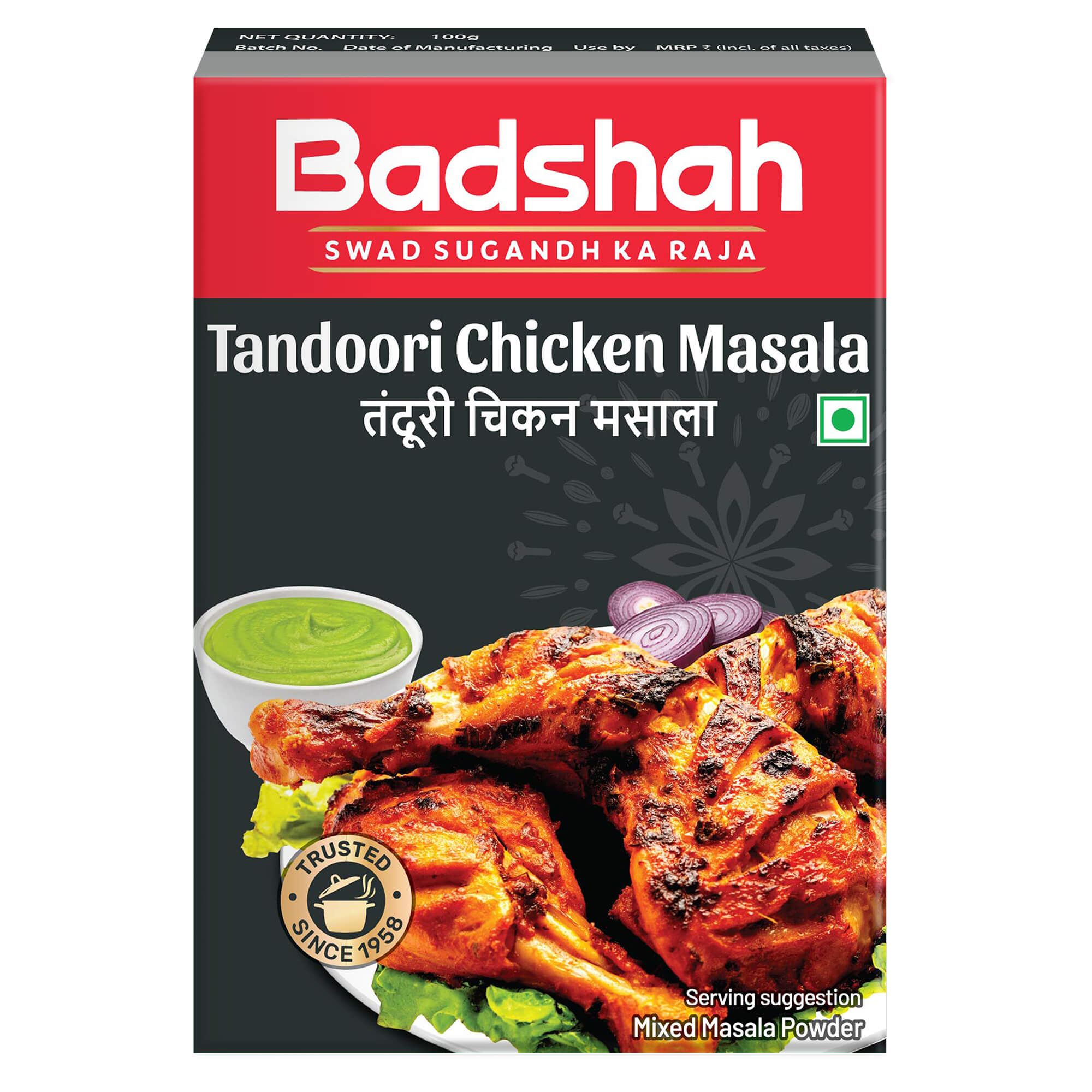
- Tandoori chicken masala
- Kitchen King Masala
A Trusted Masala brand in Spices and Masalas
As a trusted masala brand in the world of spices and masalas, Badshah Masala has been dominating the industry for decades. Our rich heritage and expertise have been passed down through generations, ensuring that every product we offer is of the highest quality and carries the authentic flavours you seek.Commitment to Quality and Authenticity
As one of the leading masala brands in India, Badshah Masala takes great pride in our unwavering commitment to quality. We meticulously source our ingredients from the finest farms and spice plantations, guaranteeing their purity and authenticity. Our state-of-the-art manufacturing facilities adhere to rigorous quality control measures, ensuring that each masala and spice blends meets our stringent standards.Why Choose Badshah Masala!
Elevate your culinary experience with Badshah Masala, the best masala brand in India. In this section. you’ll know why you should choose Badshah Masala and what are the reasons it’s a first choice of our beloved customers.Unparalleled Taste and Aroma
What sets Badshah Masala apart as the best garam masala brand in India is the unmatched taste and aroma that our products bring to your dishes. Our carefully crafted blends and secret recipes create a symphony of flavours that will leave you craving for more. From the subtle warmth of our Garam Masala to the bold and robust flavours of our regional masalas, each product is designed to enhance your culinary prowess and make your meals truly delicious.Wide Range of Masala Products
Badshah Masala, which is the best masala company in India, offer an extensive array of masala products to cater to your every need. From our signature Garam Masala to a wide variety of regional masalas, our collection encompasses the diverse flavours of India. We feel elated in offering the finest masala products that will transform your dishes into culinary masterpieces. We are also known for being the best masala tea brand in India, now you can relish your steaming cup of Premix tea with different flavours and be energetic.Trusted by Chefs and Home Cooks
Renowned chefs and home cooks alike place their trust in Badshah Masala for its superior quality and incredible taste. Our spices and masalas have graced the kitchens of professionals and households across the country, consistently delivering exceptional flavours and satisfaction. When you choose Badshah Masala which is one of the best masala manufacturers in India, you choose something that experts rely on to create authentic and tantalizing meals.Explore the spices from the spice king of India:
Explore the diverse range of spices offered by Badshah Masala. From the exquisite Garam Masala Collection to regional masalas, special blends like blended spices, grounded spices, whole spices, Asafoetida, premix tea, seasoning spices and papad, each spice blend is meticulously prepared to offer you a delightful experience with your dishes.Garam Masala
Indulge in our exquisite Garam Masala collection, a treasure trove of aromatic blends that add depth and complexity to your dishes. From the classic Garam Masala to specialized variants like Shahi Garam Masala and Kashmiri Garam Masala, we have the perfect blend to suit your preferences. Elevate your curries, gravies, and kebabs with the magic of our Garam Masala.Regional Masalas
Experience the diverse flavours of India with our range of regional masalas. From the vibrant spices of Rajasthan captured in our Badshah Rajwadi Garam Masala to the coastal flavours brought to life in our Fish Masala, each regional masala is carefully crafted to deliver the authentic taste of different parts of India to your kitchen.Special Blends
Explore our exclusive collection of special blends that showcase our commitment to innovation and culinary excellence. Discover unique combinations like our Chat Masala, which adds a tangy twist to snacks and salads, or our Tandoori Masala, perfect for marinating and grilling succulent tandoori dishes. Let our special blends elevate your culinary creations to new heights.Whole Spices
For those who prefer to grind their own spices, our collection of whole spices is a must-have. From whole cumin seeds to aromatic cinnamon sticks and fragrant cloves. We provide you with the freshest and highest-quality whole spices that retain their aroma and flavour. With Badshah Masala, you have the freedom to grind your spices and create blends that perfectly suit your taste.Frequently Asked Questions
-
Which is the best garam masala brand in India?
When it comes to choosing the best garam masala brand in India, Badshah Masala takes the crown. Our exceptional quality, authentic flavours, and extensive range of products make us the preferred choice of chefs and home cooks across the country. -
What are some popular masala brand names in India?
In the realm of popular masala brand names in India, Badshah Masala stands out. Our legacy, commitment to quality, and the wide variety of masala products we offer have earned us a reputable position among spice enthusiasts and food lovers. -
Where can I find the best masala products in India?
For the best masala products in India, look no further than Badshah Masala. With our rich heritage, unwavering commitment to quality, and dedication to creating exceptional flavours, we are the go-to brand for spice connoisseurs and culinary enthusiasts. -
What is the Indian masala list?
The Indian masala list is as diverse as the country itself. India is known for its rich culinary traditions and regional flavours. Badshah Masala offers a wide range of spice blends and masalas that encompass the essence of Indian cuisine. From Garam Masala to regional masalas, our collection celebrates the flavours that make Indian food so extraordinary. -
What should I look for when buying spices?
You should always see that the spices come from a reliable source or brand. The brand should be a famous name in the circle. When you buy spices you should smell the aroma, and focus on the quality. Spices seem different when they are not of good quality.
If you are buying ground or blended spices, you should concentrate on the brand on which you are putting your trust. The packaging, the look, the price, all play an important role. What is the cheapest way to buy spices?
When it comes to finding the “Cheap and best” spices, you can go online and shop from the Badshah Masala website. Badshah offers the best Spices in India. Buy Indian spices online at Badshah Masala.Which brand is best for spices?
Badshah Masala is the best masala/spices brand in India which offers the best Spices. You can shop from their wide variety of Spices. Shop online from their website, www.badshahmasala.comWhich are the best spices in India?
India is the house of herbs and spices, and when we speak of Indian spices and food, we have a variety of flavours, spices and seasonings that connects our culture and rich history. These spices are what represent the real essence of Indian food. We Badshah Masala as one of the best Indian spices company, we have the best of Indian spices like Blended Spices, Grounded Spices, <>a href="https://badshahmasala.com/product-category/whole-spices/" Whole Spices, Asafoetida, Kesari Milk Masala, and Premix Tea.Where can I get the best spices in India?
You can get all the best Indian spices in the house of Badshah Masala the spices manufacturer in India. Here you can get all kinds of Blended Spices, Grounded Spices, Whole Spices, and Asafoetida spices that includes Chana Masala, Pav bhaji Masala, Chaat Masala, Kesari Milk Masala, Paneer Butter Masala, and Kitchen King Masala.